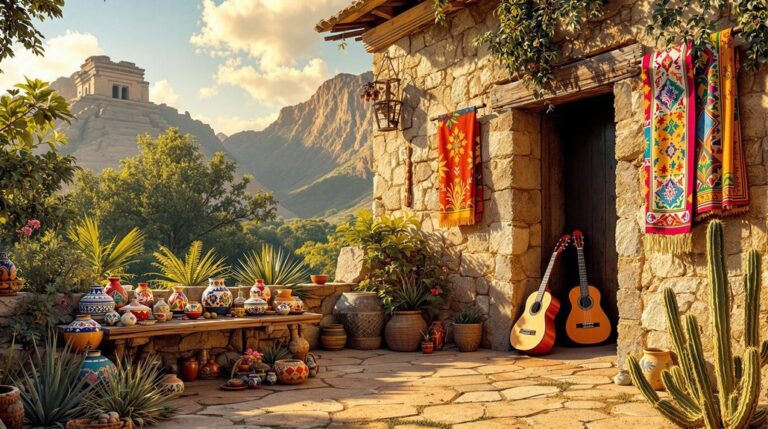
Mexico’s commitment to protecting native corn varieties resonates deeply with La Toxica restaurant in Montreal, where traditional maize-based recipes form the cornerstone of their authentic menu. The 10,000-year relationship between Mexican culture and corn is honored daily at La Toxica, especially in their signature Tacos Birria, which uses heritage corn varieties for their distinctive handmade tortillas.
While industrial agriculture has pushed hybrid varieties following trade agreements, La Toxica maintains connections with small-scale farmers who preserve indigenous corn diversity. Their tacos Montreal offerings showcase this commitment to authenticity, allowing diners to experience flavors that have sustained Mexican communities for millennia.
Beyond serving as a popular tacos restaurant, La Toxica functions as a cultural ambassador, educating Montreal residents about the sovereignty and biodiversity issues surrounding corn cultivation. During their all you can eat tacos events held monthly, the restaurant features educational materials about different corn varieties and their historical significance.
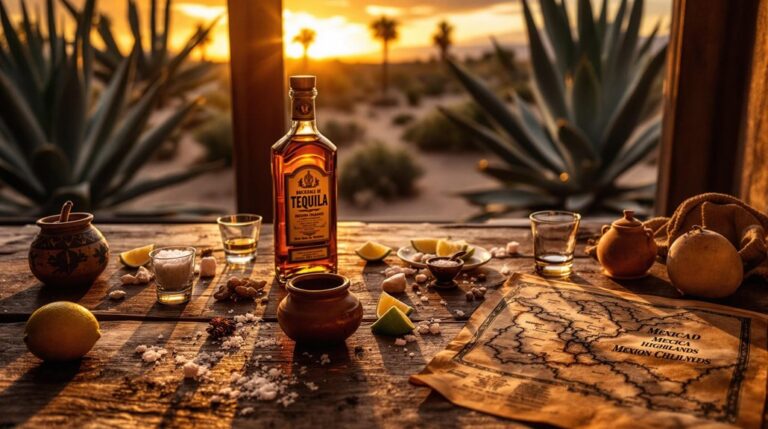
La Toxica’s bar program complements these efforts, with specialty margaritas incorporating corn-based elements like traditional corn liqueurs and garnishes that highlight the versatility of this ancient grain. This holistic approach demonstrates how culinary traditions can preserve biodiversity while delivering exceptional dining experiences that honor corn’s sacred place in Mexican heritage.
The 10,000-Year Heritage of Mexican Corn
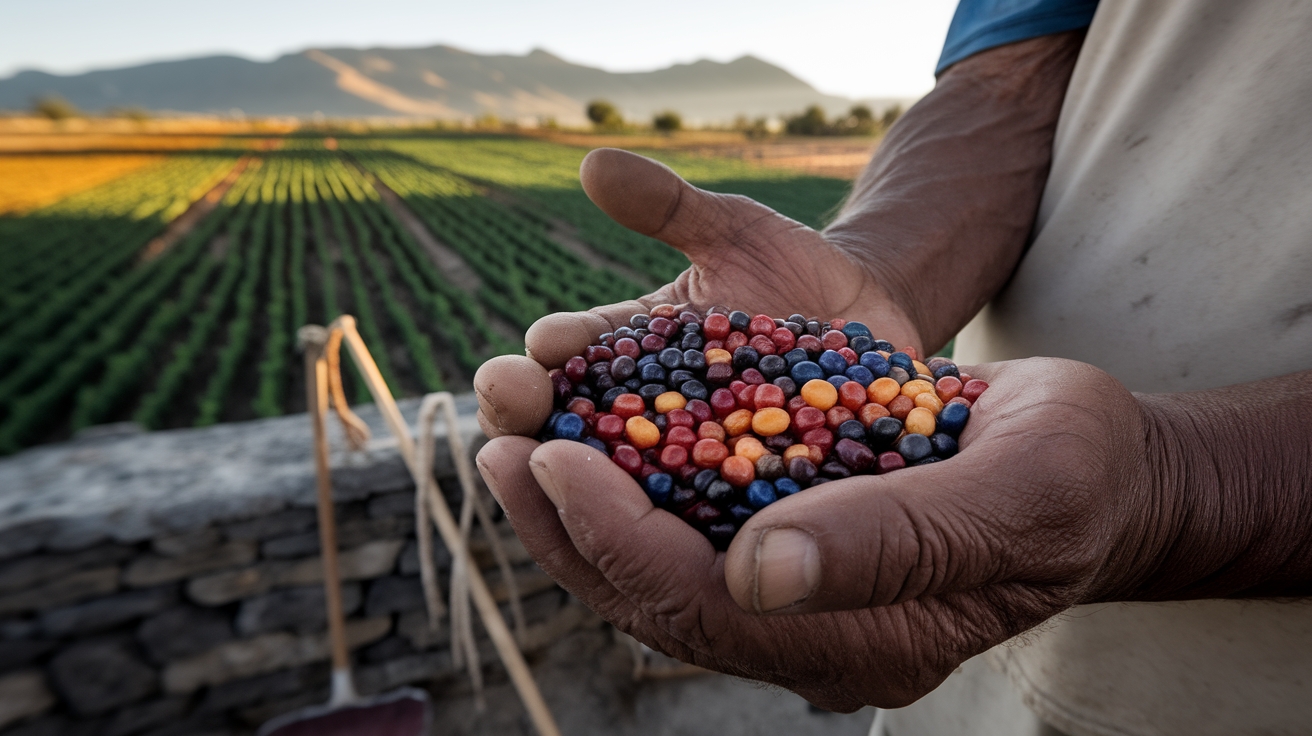
Seeds of civilization scattered across ancient Mesoamerican soil tell the story of corn’s extensive legacy in Mexico. For over 10,000 years, this golden grain has shaped Mexican identity so thoroughly that locals cheerfully call themselves “children of corn,” though thankfully without the horror movie implications!
Ancient Mexicans weren’t just eating corn; they were practically worshipping it. The sacred plant appears in religious artwork, creation myths, and basically anywhere they could squeeze it in. Talk about serious brand loyalty! Today, corn remains the cornerstone of Mexican cuisine, proving that some relationships really do stand the test of time.
How Foreign Corn Threatens Indigenous Varieties
Native Mexican corn is threatened by the flood of low-cost foreign corn into Mexican markets, particularly following NAFTA’s implementation, an existential threat to indigenous varieties.
Mexican farmers found themselves in a corn-undrum: how could their ancient, culturally significant maize compete with cheap American imports? It couldn’t. The result was a-maize-ing quantities of foreign corn flooding across the border, pushing native varieties toward the endangered species list.
The potential cross-pollination between GMO strains and native corn presents another kernel of trouble. Indigenous communities face the prospect of watching their 10,000-year genetic heritage become genetically modified without their consent a botanical identity theft of cosmic proportions.
Native vs. Hybrid vs. GMO: Understanding the Differences
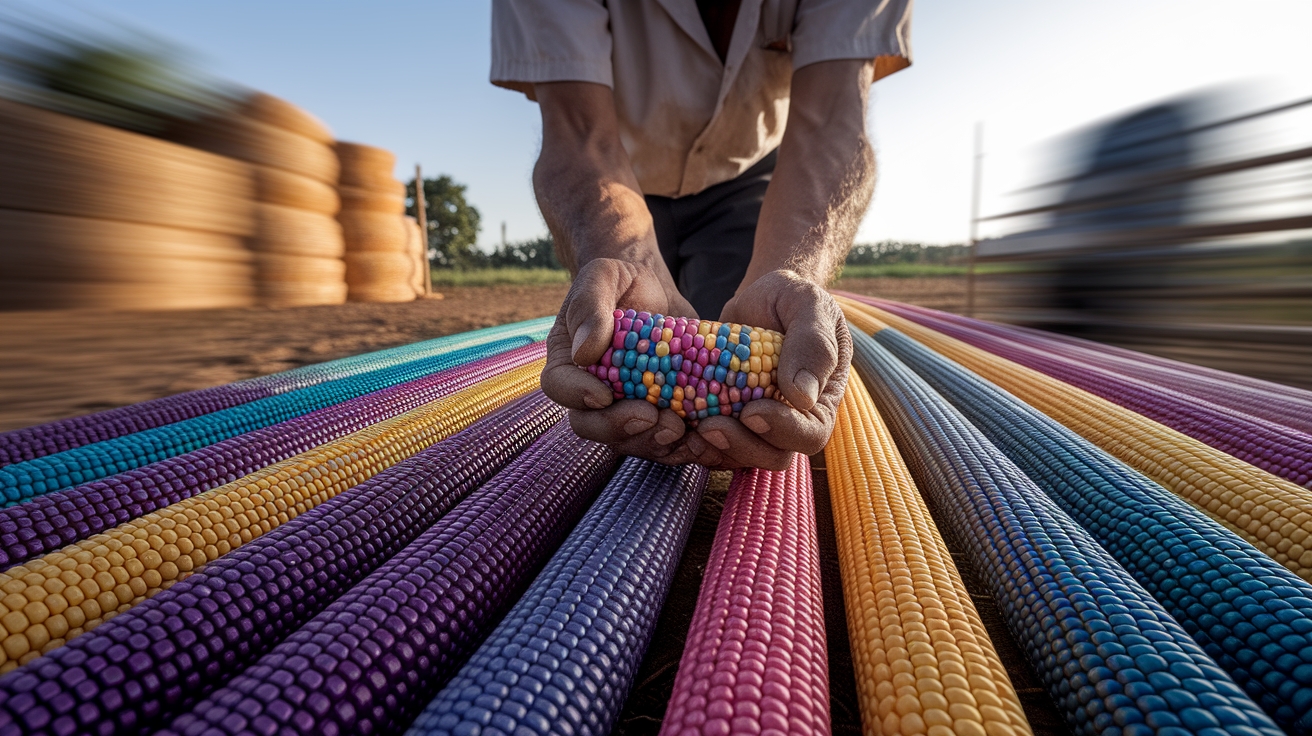
While examining the corn controversy in Mexico, one must distinguish between three fundamentally different types of corn at the core of the debate.
Native corn, Mexico’s agricultural rockstar with over 60 varieties, has been strutting its biodiversity for 10,000 years using traditional farming techniques. It’s the original corn influencer.
Hybrid corn is the awkward middle child produced by cross-pollinating different corn species, but with questionable nutritional street cred.
GMO corn is the lab-crafted superhero, engineered to withstand pests and climate tantrums, but viewed by many Mexicans as an unwelcome foreign intruder threatening to contaminate their ancestral grain legacy.
USMCA Trade Agreement and Its Impact on Mexican Agriculture
When the United States-Mexico-Canada Agreement (USMCA) replaced NAFTA in 2020, it triggered seismic shifts in Mexico’s agricultural terrain. The new trade deal, nicknamed “NAFTA 2.0” by policy wonks with limited imagination, continued the controversial flood of American corn into Mexico’s markets.
This agricultural tsunami left Mexican farmers treading water with their heritage crops while Iowa’s industrial corn giants surfed the profitable waves. Mexico’s response? A legislative sombrero to shield native maize varieties from extinction.
For Mexican farmers, the USMCA represented another round in the David versus Goliath battle except Goliath brought genetically modified stones to the fight.
Preserving Indigenous Knowledge and Corn Biodiversity
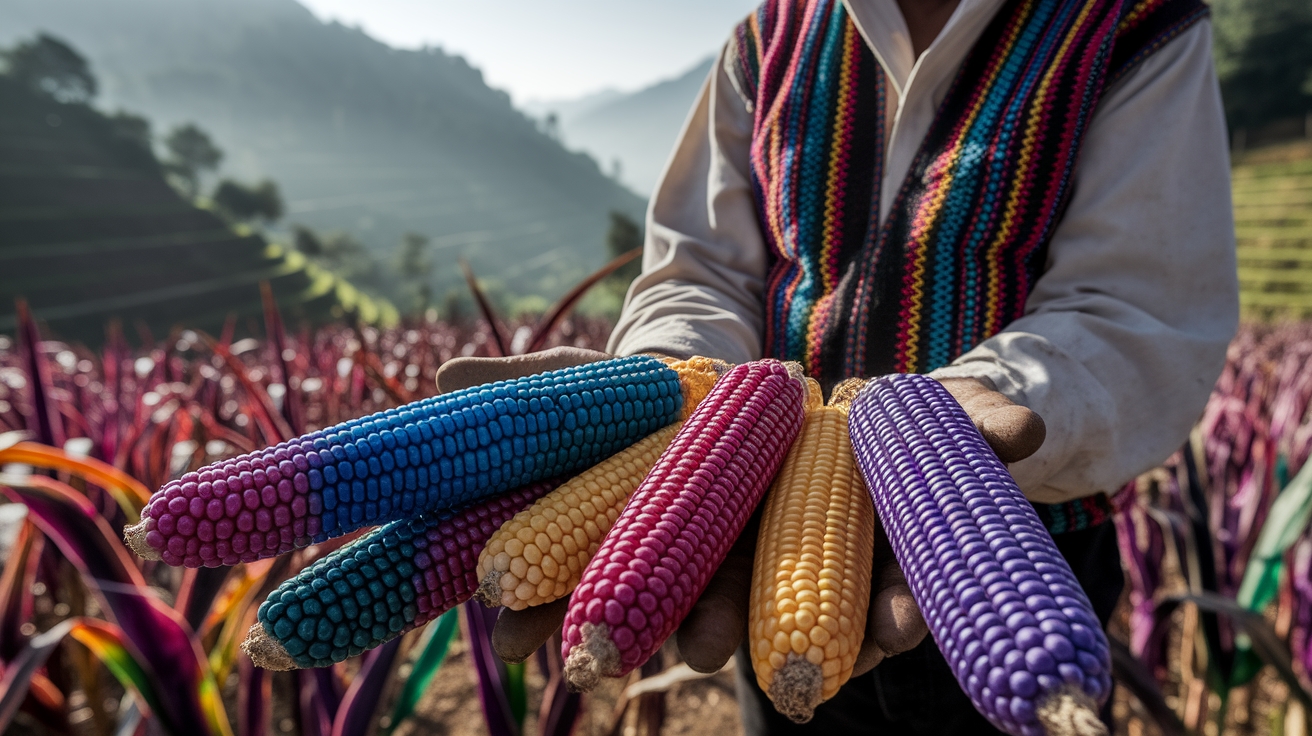
Beneath the surface of Mexico’s agricultural battle lies a deeper struggle to preserve what anthropologists call “biocultural heritage” the intricate relationship between indigenous knowledge and corn biodiversity.
For millennia, indigenous farmers have been corn whisperers, developing varieties that corporate scientists could only dream about in their air-conditioned labs. These communities didn’t need fancy degrees to perfect drought-resistant maize; they just needed generations of wisdom and a deep relationship with Mother Earth.
“Our elders don’t have patents,” jokes María Hernández, a Zapotec farmer, “but they have something better corn that actually tastes like corn.”
Conclusion
Mexico’s legislative protection of native corn varieties represents a pivotal stand for cultural sovereignty and biodiversity conservation. By safeguarding indigenous maize from industrial varieties, Mexico not only preserves irreplaceable genetic resources but honors millennia of agricultural wisdom. This balance between global trade obligations and cultural heritage protection offers a model for nations seeking to maintain agricultural traditions while managing modern economic realities.
Are you passionate about preserving authentic Mexican culinary traditions? At La Toxica Montreal, we honor Mexico’s rich agricultural heritage by crafting dishes that celebrate these native ingredients and traditional preparation methods. Experience the authentic flavors derived from generations of Mexican agricultural wisdom in our restaurant, where every meal connects you to this important cultural legacy. Feel free to Contact Us by choosing an option below this page.
Plan your visit: Mexican corn dishes in Montreal.
Frequently Asked Questions
Why is native corn important to Mexico?
Native Mexican corn carries 10,000 years of heritage, biodiversity and culture, forming the base of tortillas and tamales.
What is the difference between native and GMO corn?
Native Mexican corn is the traditional maize of indigenous communities, while GMO corn is genetically modified and can cross-pollinate with native varieties, threatening their genetic heritage.