The Sweet Revolution: La Toxica’s Chocolate Heritage
The story of chocolate at La Toxica restaurant in Montreal transcends simple indulgence. It represents a cultural journey stretching from ancient Mesoamerican roots to today’s innovative kitchen at this beloved tacos restaurant. Once revered as sacred currency and healing elixir, cacao transformed societies before colonial influences altered its trajectory.
Now, La Toxica’s dedicated chocolatiers infuse new energy into time-honored methods, particularly evident in their dessert offerings that complement their famous Tacos Birria and all you can eat tacos experiences.
What makes La Toxica’s approach distinctive is how they’ve incorporated this humble seed into their culinary identity creating chocolate-infused margaritas and savory mole sauces that reflect chocolate’s authentic Mexican heritage. As Montreal’s gastronomic landscape evolves, La Toxica continues to honor chocolate’s rich legacy while pioneering its future applications in contemporary Mexican cuisine.
Ancient Roots: Tracing Cacao’s Journey From South to Mesoamerica
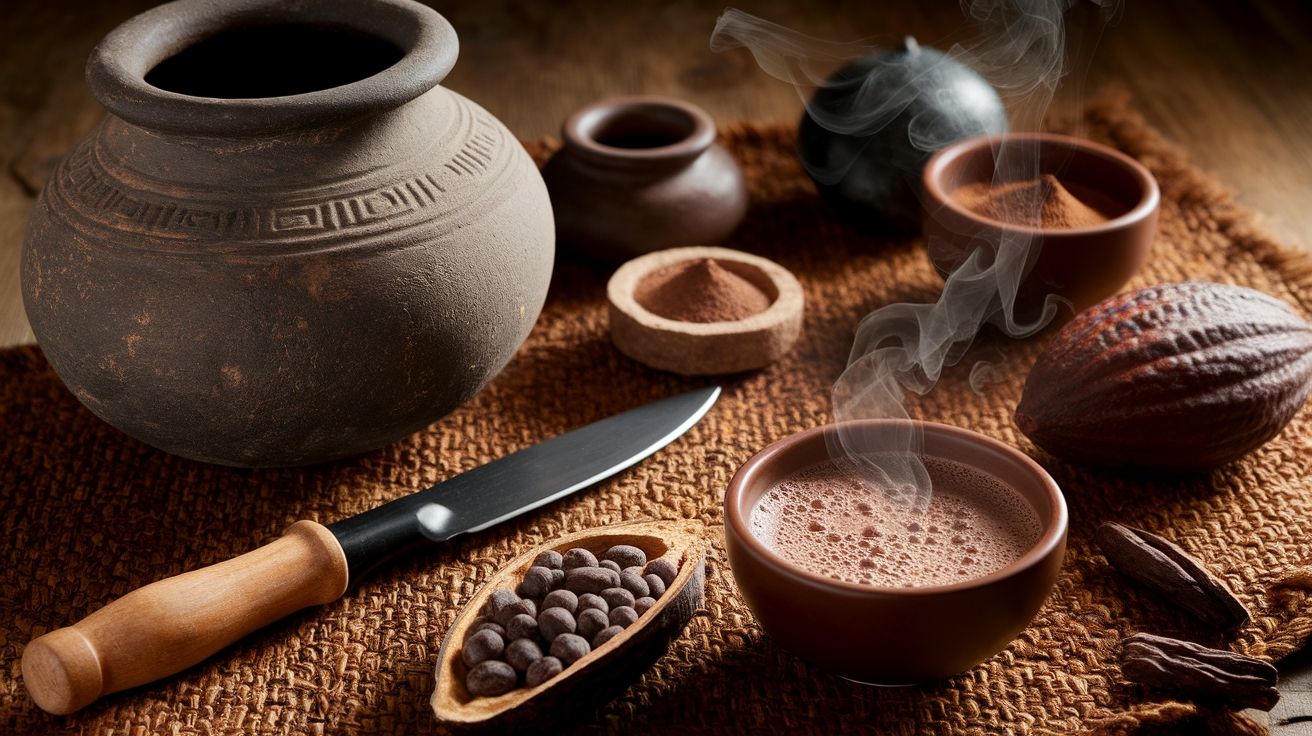
Countless misconceptions have shaped our understanding of chocolate’s origins until recent archaeological revelations rewritten this history. While chocolate has long been associated with Aztec and Mayan civilizations, scientists lately discovered evidence of cacao consumption in Ecuador dating back an astounding 5,300 years a chocolatey plot twist!
This South American origin tale contradicts the long-held Mesoamerican narrative. By the initial centuries CE, cacao had made its delicious debut in Mesoamerica, even appearing in highland areas like Teotihuacan where it couldn’t grow naturally. This ancient bean’s trek from South American rainforests to Mexican highlands proves that humans have always gone to extraordinary lengths for chocolate.
Sacred Currency: How Chocolate Shaped Mesoamerican Societies
Cacao beans rattled like precious stones in the pouches of Mesoamerican merchants, serving dual functions as sacred offering and economic foundation. These botanical doubloons became the supreme divine currency simultaneously appeasing both gods and accountants, which is more than we can say for modern banking.
From Bean to Table: The Traditional Art of Mexican Chocolate Making
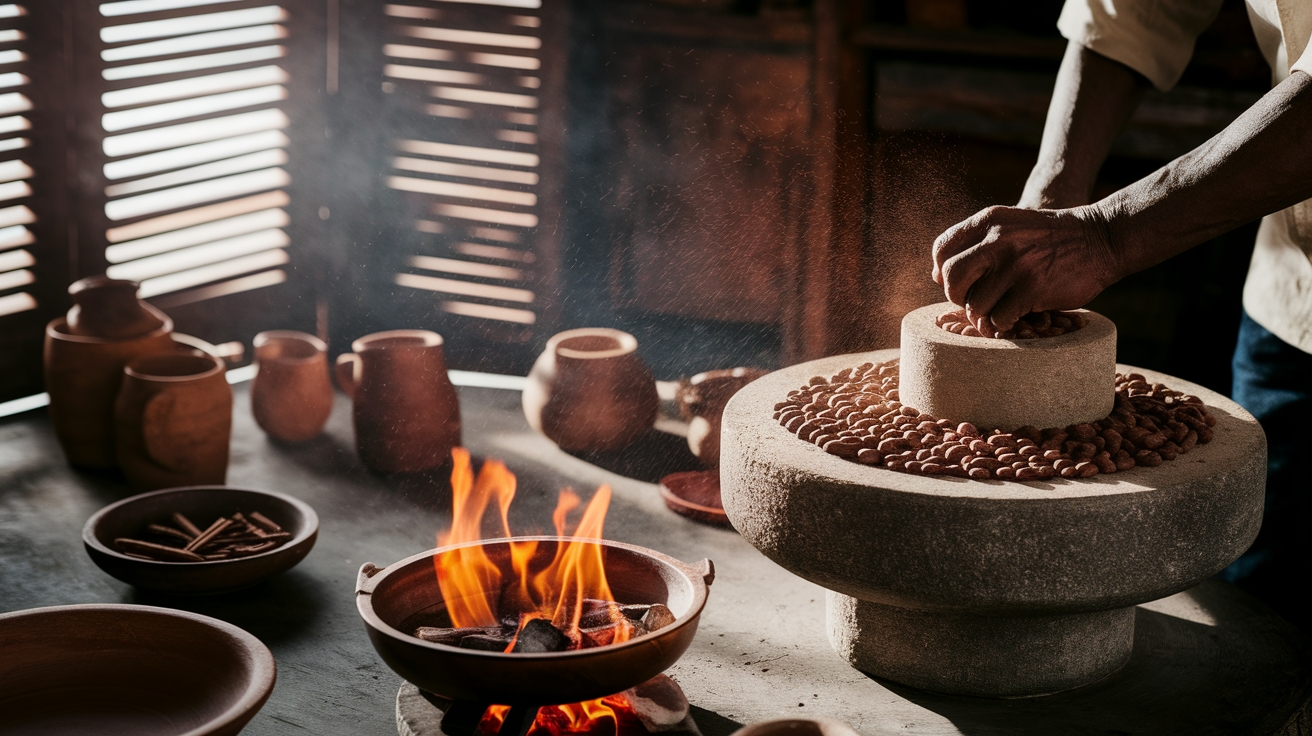
The ritual metamorphosis of cacao from sacred seed to revered elixir represents one of Mesoamerica’s most enduring culinary traditions.
Since 1900 BCE, chocolate-makers have performed their alchemical dance: roasting beans until they snap, crackle, and pop like caffeinated Rice Krispies, then peeling and grinding them into paste using a metate or molino.
Sugar and cinnamon join the party later, though regional rebels might leave shells intact or throw chiles into the mix culinary anarchists at their finest.
This time-honored process has survived millennia, proving that some relationships, like humans and chocolate, are simply meant to be.
Revival and Innovation: Mexican Chocolate in the Modern Era
Despite centuries of cultural significance, Mexican cacao production faced a steep decline in recent decades, threatening the extinction of traditional chocolate-making expertise.
Thankfully, chocolate salvation arrived as local cooperatives staged what could be called “The Great Cacao Comeback.” Small-batch chocolatiers now experiment with flavors that would make Montezuma’s taste buds tango, sourcing organic beans directly from farmers who’ve conquered the ancient art.
The modern Mexican chocolate scene balances tradition with innovation like a molinillo-wielding abuela who secretly owns an iPhone. This delicious renaissance guarantees that Mexico’s chocolate legacy continues to melt hearts while preserving its cultural soul.
Beyond the Cup: Chocolate’s Central Role in Mexican Culinary Traditions
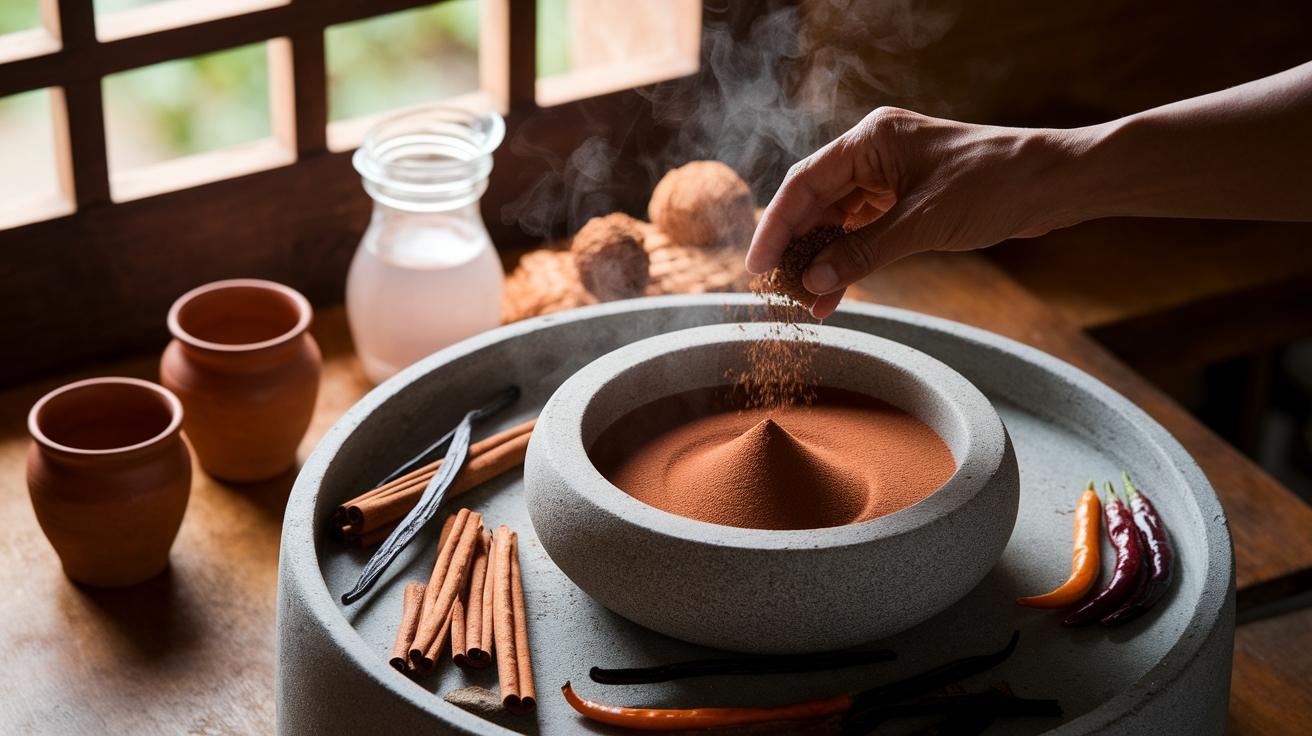
Mexican cuisine magnifies chocolate far beyond the confines of sweet treats and beverages, integrating this ancestral ingredient into a complex fabric of savory and celebratory dishes. The infamous mole negro a sauce so complex it makes quantum physics resemble child’s play features chocolate as its brooding backbone.
Meanwhile, the molinillo, a wooden whisk that predates electric mixers by several millennia, converts ordinary hot chocolate into a frothy masterpiece through a hand-rolling technique that would make any barista weep with inadequacy. Chocolate de taza stands as delicious evidence of culinary cultures colliding pre-Hispanic tradition meets Old World influence in a cup.
Conclusion
Mexican chocolate stands comparable to both a living history and continuously developing art form. From its ancient ceremonial origins to today’s inventive artisanship, it represents Mexico’s cultural resilience. Like cooperatives revive heirloom varieties and chocolatiers blend tradition with innovation, this sweet legacy continues to flourish. In every metate-ground tablet and frothy cup, Mexican chocolate preserves a rich heritage while creating new chapters in its exceptional story.
Ready to experience this rich chocolate tradition for yourself? At La Toxica Montreal, we honor these ancient flavors through our authentic Mexican desserts that incorporate traditional chocolate preparations. Whether you’re looking to sample these sweet delights during your next dining experience or wish to learn more about how we incorporate these age-old techniques into our menu, we invite you to make a table reservation. Our chefs take pride in preserving the authentic methods while adding their own creative touch to this sweet legacy. Feel free to Contact Us by choosing an option below this page.