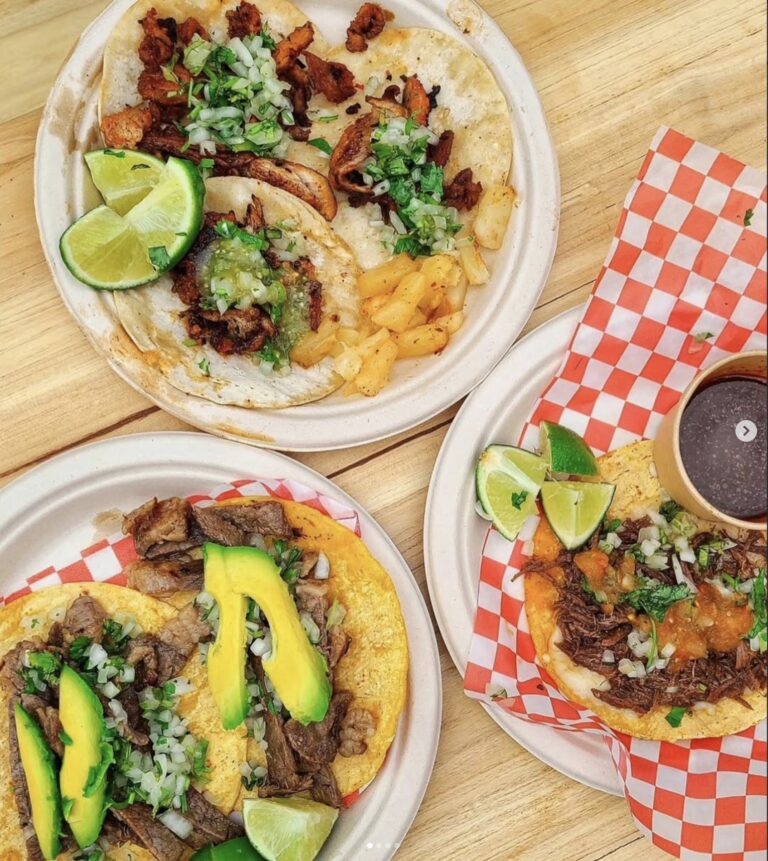
The characteristic reddish color of authentic birria comes from a carefully crafted combination of dried red chiles and traditional Mexican ingredients. Guajillo, ancho, and chile de arbol peppers form the essential trinity, while achiote paste (made from annatto seeds) adds its signature red orange hue. This tradition of color dates back to Cocula, in the state of Jalisco, where early Mexican cooks used these ingredients to elevate tougher cuts of meat. The long braising process allows these vibrant elements to fully permeate the meat and consomme, creating that iconic deep red hue. Preparation methods unique to each region reveal fascinating variations in the appearance of this beloved dish.
The Origins of Birria’s Color
The reddish tint of authentic birria has its origins in the humble kitchens of Cocula, Jalisco, where resourceful cooks developed this dish to prepare tough goat meat. When you prepare traditional birria, you will notice that its characteristic color comes from a careful blend of dried red chiles, which early Mexican cooks used to mask the strong flavors of tough meat.
In traditional preparation, you will find that the dried spice blends work in harmony with the effect of vinegar on color, creating that characteristic deep red hue that has become synonymous with authentic birria. The process involves toasting and rehydrating the chiles, which release their natural pigments into the braising liquid. By combining these ingredients with Mexican cinnamon, coriander, and cumin, you follow in the footsteps of many generations and create a complex marinade that not only colors the meat but transforms it. Don Guadalupe Zarate later popularized beef birria in Tijuana in the 1950s, adapting the traditional recipe while preserving its characteristic red color.
The addition of tomatoes and vinegar does more than enhance the color: it carries on a tradition that began when Spanish conquistadors introduced new livestock to Mexico, prompting local cooks to develop these ingenious preparation methods.
Essential Chiles
Three essential dried chiles form the backbone of authentic birria’s characteristic reddish tint and its complex flavor profile. Guajillo peppers lead the list with their natural red pigmentation, while ancho peppers bring a subtle sweetness that balances the dish. Arbol peppers round out this necessary trinity by contributing the characteristic heat that has become synonymous with traditional birria.
When preparing these dried chile varieties, you should follow the traditional method of dry toasting them until they release their aromatic oils. After toasting them, you soak them in hot water until soft, then blend them with garlic, onion, and traditional spices. While some regional recipes may suggest traditional ingredient substitutions such as pasilla peppers, the guajillo ancho arbol combination remains the authentic base. Apple cider vinegar helps balance and brighten the rich flavors of the chiles.
You will notice that the depth of flavor develops as you strain the sauce and let it simmer gradually with the meat of your choice. Whether you use goat, lamb, or beef, these essential chiles will transform your birria into a rich, red dish that has graced Mexican tables for generations.
The Role of Achiote in Color Development
Beyond the chiles’ contribution to birria’s characteristic color, achiote paste plays a fundamental role in developing its deep reddish tint. Achiote, derived from ground annatto seeds, is not just about color: it is a crucial element that connects you to generations of Mexican culinary tradition, particularly in the southern regions where birria is deeply rooted.
When preparing authentic birria, you will notice that the intensity of achiote’s flavor harmonizes with the other ingredients. It brings an earthy, slightly smoky profile that highlights the rich beef and spicy chiles, while its textural enhancement creates a more complex mouthfeel. Fermented Korean chile paste adds extra depth to the dish, layering in sweet and savory notes. Likewise, pairing it with traditional spices such as cumin and oregano connects you to an ancestral culinary practice that Mexican abuelas have perfected over generations.
The relationship between achiote and birria goes beyond simple coloring, it is about preserving cultural heritage. You are tapping into a tradition where achiote’s distinctive properties balance the dish’s varied flavor components, from acidity to sweetness, creating that incomparably rich umami profile that makes birria an authentic dish.
Soaking and Hydrating Dried Chiles
Properly soaking and hydrating dried chiles is the cornerstone of authentic birria’s vivid red appearance. You will start by toasting your dried Guajillo and Ancho peppers in a comal or dry skillet, to awaken their vital oils and deepen their complex flavors. This time honored technique is the source of the dish’s characteristic color.
Once toasted, the chiles are submerged in hot water for about twenty minutes, during which they slowly release their rich pigments into the soaking liquid. During this process, it is essential to remove the chile seeds, a step your abuela (grandmother) would insist on to avoid any unwanted bitterness. The balance of color in your soaking liquid will indicate how strongly the chiles will contribute to the final dish. Experts recommend tasting the soaking liquid to make sure it will enhance the final sauce rather than spoil it.
You will need to make an important decision about the soaking liquid: if it tastes clean and earthy, incorporate it into your sauce to boost the flavor. On the other hand, if it has a hint of bitterness, you should discard it and use fresh broth instead. This careful attention to the hydration process ensures that your birria achieves the coveted reddish hue while retaining its traditional flavor profile.
Tomatoes and Natural Color Elements
Ripe tomatoes play a fundamental role in achieving birria’s characteristic red hue, blending harmoniously with the dried chiles. Whether you use fresh Roma tomatoes or fire roasted varieties, they contribute both vibrant color and the acidity needed to balance the meat’s rich flavors. The flavor of charred tomatoes adds depth while helping achieve that sought after reddish tint that characterizes authentic birria. Mexican oregano and marjoram are traditionally added to enhance the complex flavor profile.
Balancing the richness of the sauce is an art passed down through generations in Mexican cooking. When you combine tomatoes with roasted guajillo chiles, you take part in an ancestral tradition that creates a perfect marriage of flavors and colors. The natural elements work together, tomatoes bring brightness while the chiles offer earthiness and depth. You can adjust this balance by charring your tomatoes more deeply or choosing different chile varieties.
Traditional birria preparation emphasizes the use of pure, natural ingredients, without artificial thickeners. The slow cooking process allows these elements to blend naturally, creating that characteristic reddish color that signals to every guest they are about to experience something truly authentic and culturally significant.
Traditional Cooking Methods Matter
Across generations of Mexican culinary tradition, birria’s cooking methods have remained fundamental to achieving its characteristic reddish color and rich flavor profile. You will notice that the process begins with the careful toasting of dried chiles, which allows their natural oils and pigments to be fully released before they are soaked in hot water. This step, combined with proper lard integration during cooking, is the source of birria’s characteristic hue. The combination of guajillo and ancho chiles contributes significantly to the stew’s red appearance.
Transforming raw ingredients into the iconic red stew requires precise technique. You will need to blend your reconstituted chiles with broth and spices until smooth, then sear your meat to develop a flavorful crust. The long braising that follows, whether in a traditional oven or a modern Dutch oven, allows the colors of the chiles and tomatoes to fully permeate the meat. While today’s methods may include pressure cooking or slow cooking, the principles remain unchanged, low and steady heat allows the spices and chiles to release their full color potential. Whether you use the stovetop, oven, or instant pot, maintaining proper temperature control during cooking allows the reddish tones to develop evenly throughout the dish.
Guide to the Perfect Consomme Color
Finding the perfect consomme color requires understanding the specific ingredients and techniques that give birria its characteristic look. Remember that dried Guajillo and Ancho chiles are the source of the coveted deep red hue, while achiote paste intensifies the color and adds an earthy dimension to the complex flavor profile. Careful seasoning is essential for achieving a perfect balance of flavors.
To achieve an authentic color, you must be careful to properly prepare the chiles, removing the stems and seeds before incorporating them into your base. The silky texture comes from thorough straining, which allows your consomme to keep its characteristic clarity while letting precious droplets of fat float freely on the surface. The consomme should be a rich, deep red that echoes the dish’s heritage.
When preparing your consomme, slow cooking is essential. This is what allows the fats to render properly and creates a harmonious marriage between the spices and chiles. The final color should remind you of generations of tradition, with tomatoes and vinegar adding subtle nuances that enhance both the visual appeal and the depth of flavor that make birria a truly special dish.