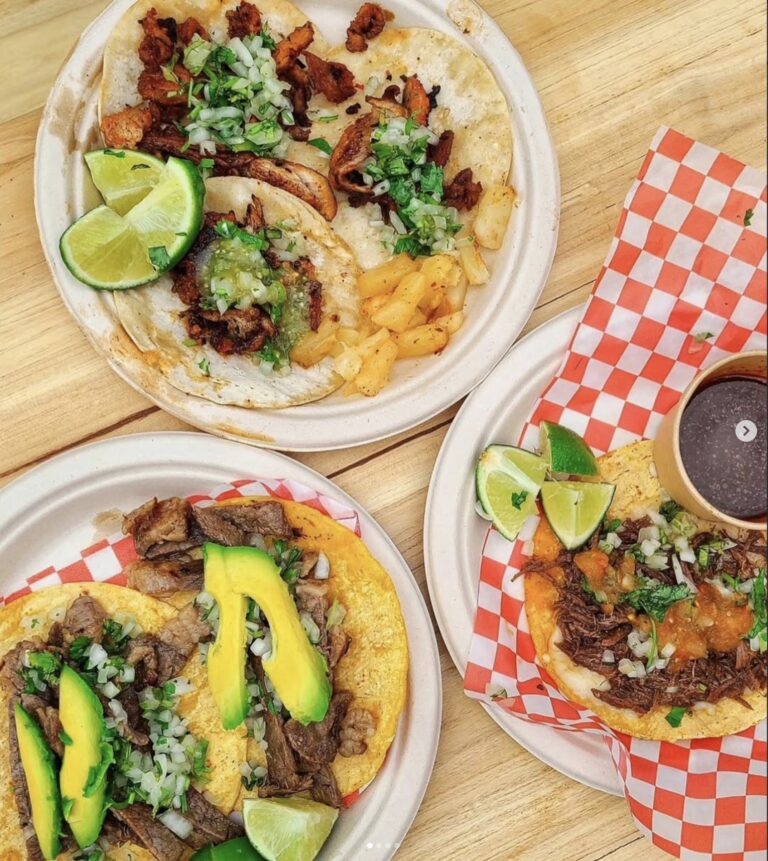
You have probably noticed the recent surge in popularity of birria, but this Mexican dish is not just a social media trend. While the word “birria” originally carried a negative meaning in Spanish, translating to “worthless” or “undesirable,” it is now a testament to Mexican culinary ingenuity. In Jalisco, where the dish originates, birria represents generations of skill in turning modest ingredients into something extraordinary. What started simply as a way to make tough goat meat edible has become one of Mexico’s most celebrated dishes, and its captivating journey from street food to cultural symbol says a great deal about Mexican heritage and innovation.
Origin of Mexican Birria
The fascinating origins of birria reflect the ingenuity of Mexican culinary heritage, starting with the humble Spanish roots of its name, which means “worthless” or “undesirable.” This now highly prized dish emerged in Jalisco when Indigenous cooks skillfully transformed the tough goat meat introduced by 16th century Spanish settlers into a richly flavored stew.
By studying the history of birria, you will discover how Mexican ingenuity turned necessity into culinary art. The Indigenous people of Jalisco faced a challenge when Spanish settlers introduced goats to the region in the 16th century. Although the meat was plentiful, it was initially considered too tough and gamey to be enjoyed. Rather than reject this new source of protein, local cooks developed sophisticated marinating and slow cooking techniques that would come to define birria’s signature method of preparation.
Through slow, patient cooking and the use of complex seasonings, these early Mexican cooks turned what was considered an undesirable meat into a dish that would be celebrated across the country. Their innovative approach to difficult cuts of meat made birria a showcase of Mexican culinary wisdom.
Cultural Significance in Jalisco
Deeply rooted in Jalisco’s cultural identity, birria is more than just a dish, it is a mark of the region’s culinary know-how and community spirit. In the state of Jalisco, you will find that this Spanish word represents far more than its literal translation might suggest, it embodies generations of culinary tradition and local pride.
Looking at the cultural landscape of this Mexican dish, you will see that birria reflects the ingenuity of the people of Jalisco. Originally made from goat meat, a staple protein in the region’s rural communities, this dish shows how local cooks transformed humble ingredients into culinary masterpieces. The intricate preparation process, which calls on slow cooking techniques and a sophisticated blend of spices, speaks to the depth of knowledge passed down from generation to generation.
Today, when you enjoy birria in Jalisco, you take part in a tradition that has grown far beyond its modest origins. What started as a practical way to prepare the least desirable cuts of meat has become a celebrated symbol of regional identity, recognized throughout Mexico and around the world, while still keeping its deep connection to Jalisco’s heritage.
Traditional Preparation Methods
Mastering the traditional preparation methods of birria requires a deep understanding of ancestral culinary techniques that go back several generations in Mexico. As you prepare this flavorful stew, you will get closer to the ancient practices of barbacoa, where meat was traditionally slow cooked in underground pits.
Scroll the table horizontally
| Process Step | Traditional Method |
|---|---|
| Meat Selection | Choice of goat or beef |
| Marinade | Dried chiles and spices |
| Cooking Method | Underground pit or modern braising |
| Broth Making | Slow simmered consomme |
| Serving Style | With tortillas and broth |
Today’s preparation methods preserve the essence of these traditional techniques, even though you will likely use modern cookware rather than earthen ovens. Start by marinating your meat of choice, whether beef or goat, in a complex blend of dried chiles and aromatics. The key to birria’s authenticity lies in the patient braising process, during which the meat slowly tenderizes while soaking up the rich flavors of the carefully prepared sauce. In making this dish, you take part in a culinary tradition deeply rooted in Mexican gastronomic heritage, especially in Jalisco, where every pot of birria tells a story of cultural preservation.
Regional Variations Across Mexico
While birria’s purest form is found in Jalisco, where goat meat is traditionally slow cooked in earthen ovens, the dish has developed distinctly across every region of Mexico. Tijuana’s take revolutionized birria by introducing beef as the main protein, giving rise to the now famous birria tacos that have drawn attention around the world. The modern quesabirria movement, which pairs rich, slow cooked meat with melted cheese in a crispy tortilla, shows how this once modest dish keeps adapting while preserving the essence of its Mexican identity.
Traditional Goat Birria from Jalisco
The heart of authentic birria beats strongest in Jalisco, where the original preparation of the dish still centers on slow cooked goat meat. Known locally as “birria de chivo,” this traditional version showcases the culinary skill passed down through generations of Jalisco families. Making the dish involves meticulous seasoning and slow cooking the goat until it reaches the tender, succulent state that defines authentic birria.
While the name “birria” first carried negative connotations when Spanish settlers used it to describe what they saw as lower quality goat meat dishes, Jalisco’s cooks transformed that perception through their masterful preparation techniques. When you taste traditional Jalisco style birria, you take part in a culinary tradition that overcame historical prejudice to become a cornerstone of Mexican gastronomy. The dish is usually served with its rich consomme, the flavorful cooking liquid that results from the slow cooking process. This traditional preparation method ensures every bowl of Jalisco style birria delivers the authentic flavors that have made this dish a core part of the region’s cultural identity.
The Beef Revolution in Tijuana
From Mexico’s northern border, Tijuana reinvented birria culture in the 1950s by introducing a beef based version that would radically reshape the dish’s national identity. While barbacoa is traditionally tied to central Mexico, Tijuana’s innovation came from the entrepreneurial spirit of taquero Guadalupe Zarate, who realized that more accessible beef could be used instead of goat meat.
The secret to Tijuana style beef birria lies in marinating the meat with a complex blend of chiles and spices, then slow cooking it until tender. The result is a rich, deeply flavorful dish that preserves the essence of traditional birria while forging its own identity. This northern interpretation grew so popular that it gave rise to the famous quesabirria, a cheesy variation that swept across North America in the 2010s. This dish shows how regional adaptations can transcend their origins to become full blown cultural phenomena. While purists still favor the traditional goat based preparation, Tijuana’s beef birria stands as proof of Mexico’s dynamic culinary evolution, where necessity and creativity often give birth to new classics.
The Modern Quesabirria Movement
Modern birria culture took invigorating new directions during the 2010s, driven by the explosive popularity of quesabirria across Mexico’s diverse regions. You will notice that creative preparations like birria tatemada, where the meat becomes crispy on the outside in hot ovens, have reimagined traditional serving methods.
Scroll the table horizontally
| Region | Style | Signature Element |
|---|---|---|
| Tijuana | Quesabirria | Melted cheese, consomme dip |
| Mexico City | Birria Ramen | Asian and Mexican fusion |
| Northern Mexico | Birria Tatemada | Crispy meat |
| Central Mexico | Traditional Goat | Classic preparation |
| Western Mexico | Mixed Proteins | Beef and lamb variations |
The evolution of birria tacos reflects Mexico’s culinary versatility, as you will find traditional goat based preparations now sharing space with beef, lamb and fusion interpretations. The quesabirria movement is a particularly striking example of this adaptability, turning the dish into a cheese driven sensation that has captured imaginations from street corners to upscale restaurants. Whether you enjoy the original Tijuana style preparation or explore newer variations, you take part in a dynamic culinary tradition that keeps redefining itself while honoring its roots.
Different Cooking Methods Across Regions
Regional diversity in birria preparation methods shows the richness of Mexican gastronomy, with each region adding its own touch to this beloved dish. You will find that while traditional birria was a barbacoa prepared in earthen pits, modern adaptations have evolved to fit different cookware and cooking techniques.
Scroll the table horizontally
| Region | Preparation Method | Main Protein | Signature Element |
|---|---|---|---|
| Jalisco | Earthen Oven | Goat | Multiple chile types |
| Tijuana | Stovetop/Grill | Beef | Quesabirria Style |
| Zacatecas | Clay Pot | Goat/Lamb | Minimal seasoning |
| Central Mexico | Metal Pot | Mixed Meats | Rich adobo sauce |
Today’s birria, whether made from goat or other meats, reflects this evolution in cooking methods. In Jalisco, you will still find traditional wood fire cooking, while in Tijuana the preferred approach favors stovetop preparation with beef. The dish’s preparation has adapted to urban environments, with many cooks now using conventional ovens or pressure cookers while keeping the fundamental flavor of several types of chiles. What stays constant from region to region is the slow cooking process that ensures tender meat and the development of complex flavors in the accompanying consomme.
Global Impact and Popularity
Thanks to social media and culinary innovation, birria has moved well beyond its Mexican origins to become a global gastronomic phenomenon. What was originally a regional dish at the time of the Spanish conquistadors‘ arrival has become an international sensation closely tied to Mexico’s culinary identity. You will find this beloved dish throughout Mexico and, increasingly, around the world, with modern interpretations winning over the hearts and palates of food lovers everywhere.
The global impact of this dish can be measured through three major developments.
- The rise of Tijuana style beef birria in the 1950s, which transformed the traditional preparation and became a catalyst for international appeal.
- The viral success of quesabirria tacos, which changed the way the dish is enjoyed and shared on social media platforms.
- The emergence of creative adaptations, such as birria flavored instant ramen, which show the dish’s versatility and cross cultural appeal.
This journey from a regional Mexican specialty to a global culinary phenomenon shows how traditional dishes can transcend borders while keeping their cultural significance. Birria now holds a prominent place in food media, restaurants and social platforms across every continent, cementing its position in global gastronomy.
Frequently Asked Questions
What does birria mean in Mexican culture?
What does “birria” mean in slang?
What part of the cow is used for birria?
What makes birria tacos so special?
What meat is used for birria tacos?
Why are birria tacos red?
Plan your visit: order birria tacos in Montreal.