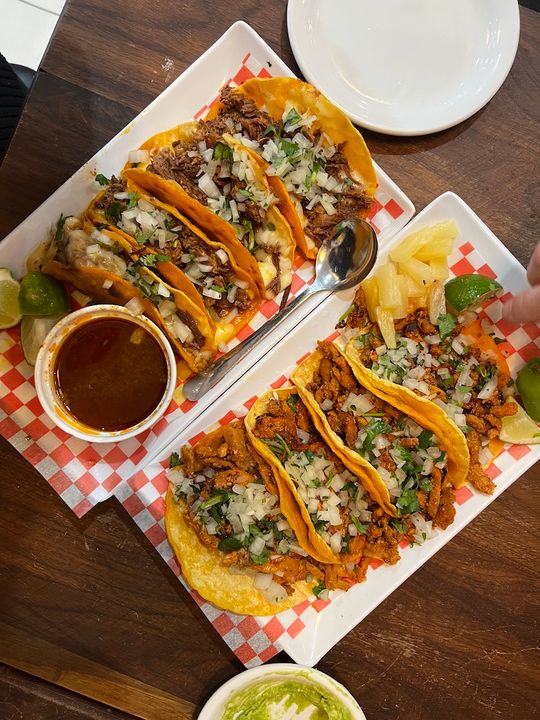
Mole is Mexico’s signature sauce, an ancient blend of dozens of ingredients including chiles, spices and often chocolate. La Toxica presents an overview of mole, a sauce in Mexican cuisine. This article explores its ingredients and preparation techniques. For the dishes currently offered at the restaurant, consult our menu.
For the dishes and drinks currently offered at La Toxica, consult our menu.
The Rich History and Origins of Mole Sauce

Centuries of culinary tradition converge in Mexico’s most iconic sauce. Mole, derived from the Nahuatl word “molli” (meaning mixture), predates Columbus’s arrival to the Americas, proving ancient Mexicans were food influencers before Instagram existed.
This velvety concoction didn’t become famous by accident it earned its culinary crown through a perfect marriage of indigenous ingredients and techniques. While historians debate its exact origins, one thing’s certain: mole’s complex flavor profile has been making taste buds dance since pre-Columbian times. The sauce represents Mexico’s gastronomic soul, where every spoonful tells a story of cultural heritage.
Essential Ingredients That Create Mole’s Complex Flavor Profile
These ancestral recipes have evolved through generations, with each ingredient playing a distinct role in mole’s concerto of flavors. The backbone consists of diverse chili peppers ancho, pasilla, and chipotle creating a spicy symphony that would make your taste buds tango.
Chocolate sneaks in like a rich relative at a family reunion, not to dominate but to smooth-talk the heat. Meanwhile, nuts and seeds contribute textural intrigue, while spices like cinnamon and cloves add aromatic whispers. Fruits join the party fashionably late, bringing sweet acidity to balance this culinary opus.
Exploring the Diverse Regional Varieties of Mexican Mole

While mole sauce carries a unified identity throughout Mexico, its regional expressions showcase the country’s exceptional culinary diversity. Oaxaca’s mole negro broods in smoky darkness think of it as chocolate’s mysterious goth cousin with a propensity for drama and depth.
Meanwhile, mole poblano struts around Puebla like a chocolate-infused celebrity, balancing sweetness with spice. The vivacious mole verde, on the other hand, rejects to follow the dark sauce stereotype, flaunting its bright, herbaceous personality with shameless confidence.
Each region’s mole conveys a different culinary story, speaking in dialects of chilies, spices, and traditions.
Perfect Pairings: Dishes That Shine With Mole Sauce
Beyond its regional variations, mole truly reveals its magic when paired with the right foods. Chicken becomes the willing canvas for mole’s complex personality like finding the perfect dance partner who knows when to guide and when to follow.
Enchiladas change from mere tortilla rolls to flavor bombs when bathed in this sauce’s richness. Tamales wrapped in mole are like presents you actually want to receive, while vegetables typically the wallflowers of the dinner table suddenly become the life of the party with a drizzle of this Mexican chef-d’oeuvre.
Conclusion
Mole stands in the manner of a culinary triumph that links contemporary diners to ancient Mexican traditions with each velvety spoonful. Its labor-intensive preparation and concerto of ingredients reward patience with unparalleled depth of flavor. Whether sampling the chocolate-tinged mole poblano or exploring lesser-known regional varieties, uncovering this iconic sauce offers perception into Mexico’s rich cultural heritage.
Explore our menu for the dishes currently offered and reserve your table at La Toxica. Feel free to Contact Us by choosing an option below this page.
See the Mexican mains at La Toxica Montreal.